
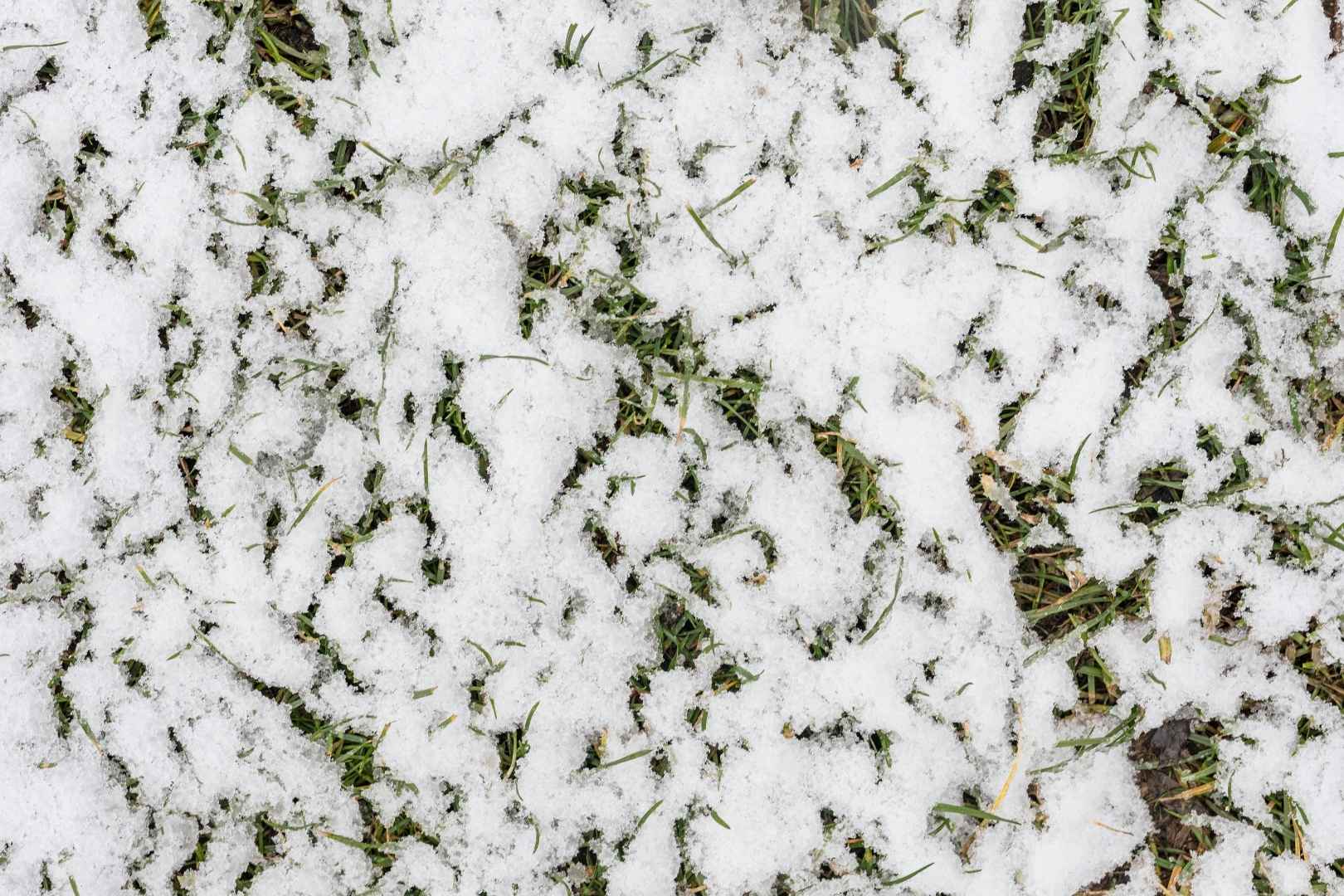
Hi friends, Alice here! I love winter in New Hampshire: the crunchy snow under my paws, fresh flakes covering the yard, and all the new smells that come with a good storm. But while winter makes our lawns look extra magical, I’ve learned that those same snowstorms can quietly cause stress and damage underneath the surface, things that don’t always show up until spring rolls around and I’m ready to zoom across the grass again.
At Welch Lawn Care, we’ve seen firsthand how heavy snow, ice, and even the melt that follows can impact both turfgrass and plantings. Today, we’re spotlighting the most common winter storm issues and how you can be prepared before, during, and after winter weather.
1. Compacted Snow and Ice
Snow itself isn’t always harmful; light snow acts like nature’s blanket, insulating grass roots and protecting them from extreme cold. But when snow becomes compacted from repeated foot traffic, pets playing, or large piles from shoveling and plowing, that weight presses down on the soil. This makes it harder for air, water, and nutrients to reach the grassroots.
What to watch for:
- Lawn areas that feel hard and dense once the snow melts
- Thin or yellowish grass patches come with spring.
Pro tips:
- Avoid walking on snow-covered turf whenever possible.
- Rotate where you pile snow after every storm to spread pressure.
- If necessary, use boards or planks over snow to protect high-traffic zones.
2. Ice Melt Damage
Ice melt products are important for safety in snowy weather, but traditional rock salt can harm grass and soil when it washes off walkways or driveways onto lawns. Too much salt alters soil chemistry and dehydrates roots, leading to straw-colored spots or patchy turf.
What to watch for:
- Discoloration or dead patches near driveways and walkways
- Soil that seems unusually dry or dusty after the snow melts
Guidance:
- Use lawn-safe de-icers (like calcium magnesium acetate or sand) where possible.
- Sweep leftover salt off hard surfaces before it gets into the soil.
- Rinse affected turf gently with water in early spring to flush residual salt.
3. Bark & Branch Breakage
Winter storms don’t just impact grass; the pressure of heavy, wet snow or ice can cause serious structural damage to trees and shrubs. Evergreens, multi-stemmed shrubs, and weak-wooded trees are especially vulnerable.
Signs of trouble:
- Branches bent sharply under snow and ice.
- Broken or split limbs, the next thaw
- Shrubs sagging well beyond the snow melts
Smart actions:
- Before storms, gently tie up delicate shrubs to help shed snow.
- After ice events, don’t force branches back into place. This can cause further injury.
- Wait for safe conditions to prune away broken limbs and prevent disease.
4. Spring Check-Up
Once the snow is gone and temperatures rise, take time to inspect for winter storm damage. Compaction, salt burn, broken branches, and matted grass can all show up after melt-off.
- Rake gently to lift matted grass and improve airflow.
- Aerate compacted areas to restore oxygen and water flow.
- Overseed thin or bare spots to encourage healthy, dense recovery.
And remember: every lawn and landscape is unique. If storm damage appears widespread or you’re unsure how to handle an issue, it’s always a good idea to call in a professional from a trusted local company like Welch Lawn Care to assess and recommend the best plan.
If you have questions about winter storm damage or need help restoring your lawn this spring, we’re here to help! Contact Welch Lawn Care anytime for expert advice and customized services for your outdoor space.