
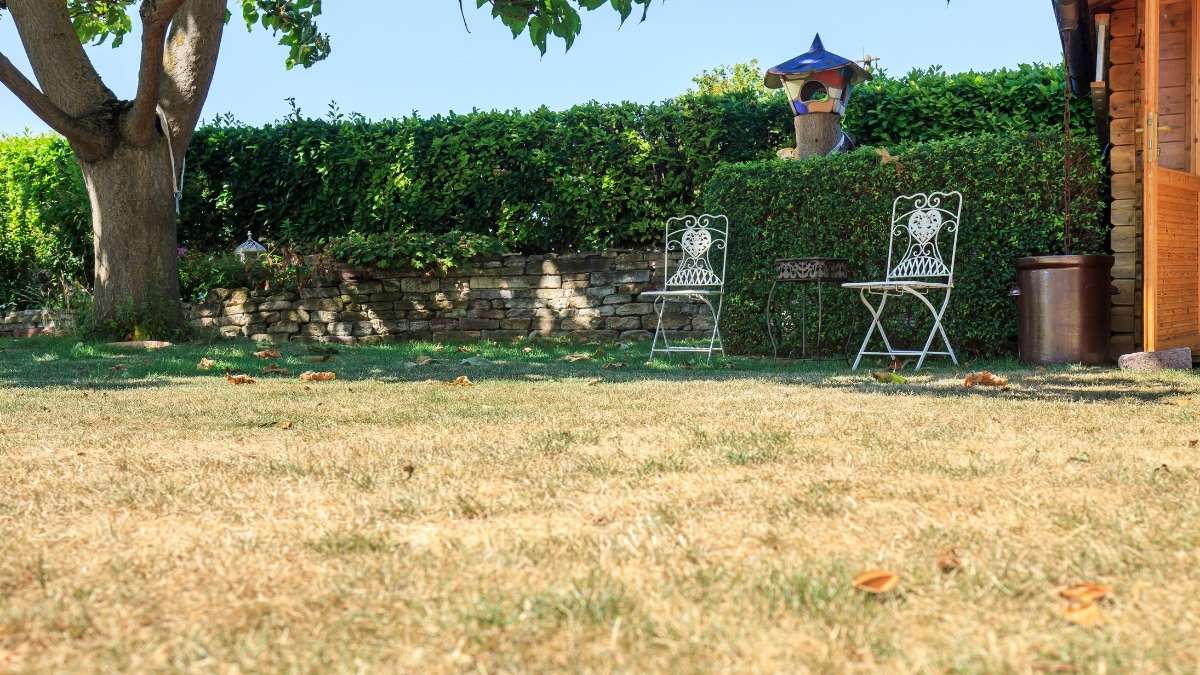
Hi friends, Alice here! Summer is one of my favorite times of year. There are squirrels to chase, sunny spots for naps, and plenty of grass to explore. But sometimes, as temperatures rise, homeowners start noticing brown patches spreading across their lawns. If your grass isn’t looking as green as it did in spring, there are several possible reasons why.
Understanding the cause is the first step toward improving your lawn’s health.
Heat and Drought Stress
The most common reason lawns turn brown during summer is heat and drought stress. Cool-season grasses, which are common throughout New Hampshire, naturally slow their growth during extended periods of hot, dry weather.
In many cases, the grass isn’t dead; it’s simply entering a temporary dormant state to conserve energy until cooler temperatures return.
Improper Watering
Lawns typically need about one inch of water per week, either from rainfall or irrigation. Frequent shallow watering encourages weak root systems, while deep, infrequent watering promotes stronger roots that can better withstand summer heat.
Watering early in the morning is generally the most effective approach.
Soil Compaction and Root Issues
Compacted soil can prevent water from reaching grass roots, worsening drought stress. Poor root development may also contribute to browning during hot weather.
Aeration helps improve water penetration and supports healthier root growth.
Pests and Disease
Not all brown spots are caused by heat. Certain lawn diseases and insect infestations can create patches of discolored or dying grass. If damage appears suddenly or in an unusual pattern, a professional evaluation may be necessary.
Keeping Your Lawn Healthy All Summer
Proper fertilization, watering, mowing, and seasonal maintenance all help lawns withstand summer stress. Raising your mowing height slightly during hot weather can also help reduce moisture loss and shade the soil.
Let Welch Lawn Care Help
If your lawn is turning brown and you’re not sure why, the team at Welch Lawn Care can help identify the issue and recommend the best course of action. Whether it’s drought stress, compaction, pests, or nutrient deficiencies, we’re here to help your lawn recover.
Contact Welch Lawn Care today and keep your lawn looking its best all summer long!