
Does Your New Hampshire Lawn Need Lime?
Hi, everyone! Alice here from Welch Lawn Care. Have you ever wondered why your neighbor’s lawn looks green and healthy while yours struggles to fill in, even when you give it plenty of attention?
There can be several reasons, but one factor homeowners sometimes overlook is soil pH.
New Hampshire soils can be naturally acidic, and when soil becomes too acidic for your grass, it can affect nutrient availability and lawn health. That’s where lime may come in. Let’s look at what lime does, how to tell if your lawn might need it, and why testing your soil is the best place to start.
What Does Lime Do for Your Lawn?
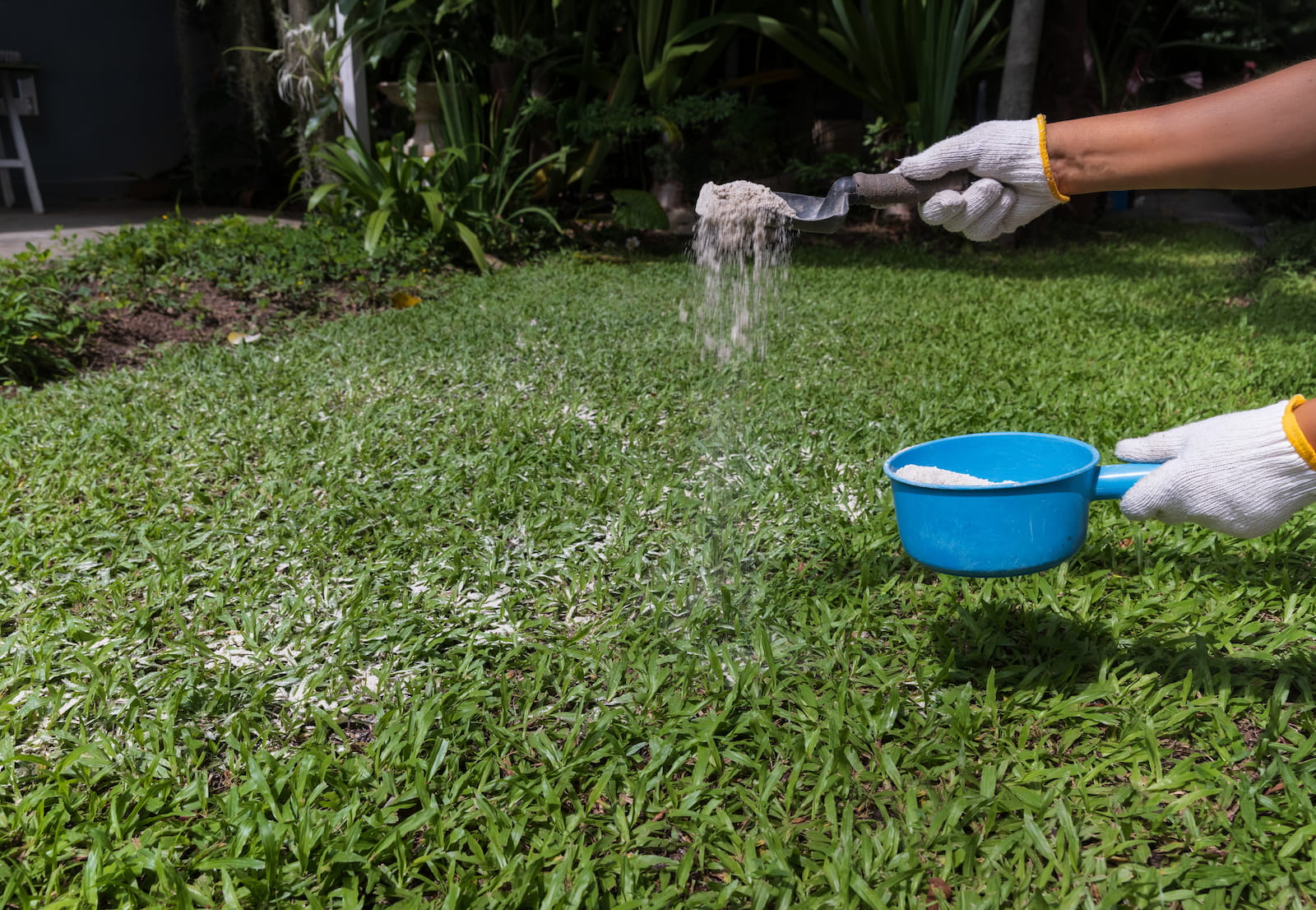
Lawn lime is commonly made from ground limestone and is used to raise soil pH when the soil is too acidic.
Soil pH measures how acidic or alkaline the soil is. It affects how readily grass can access certain nutrients.
Many common cool-season lawn grasses grow well in slightly acidic soil, often around a pH of 6.0 to 7.0, although the ideal range can vary by grass type and soil conditions.
If your soil is too acidic, some nutrients may become less available, while others may become more available than the grass needs. Applying lime when appropriate can help bring the pH closer to a suitable range.
However, lime isn’t a general-purpose lawn fertilizer. It doesn’t replace the nutrients supplied by fertilizer, and it won’t fix every lawn problem.
Does New Hampshire Soil Usually Need Lime?
Some New Hampshire lawns may benefit from lime because naturally acidic soil conditions are common in the region. Rainfall, soil composition, and years of lawn care can all influence soil pH.
But here’s the important part: not every lawn needs lime, and not every lawn needs the same amount.
Applying lime without knowing your soil’s pH can raise it too much. That can create new nutrient availability problems rather than solving the original issue.
The best approach is to test your soil before deciding whether to apply lime.
4 Signs It May Be Time to Test Your Soil
Your lawn’s appearance can provide clues, but it can’t confirm whether the soil needs lime.
1. Grass That Struggles to Grow
If your lawn remains thin or grows poorly despite reasonable care, soil conditions may be contributing to the problem. Soil pH is one factor worth checking.
2. Uneven Lawn Growth
Some areas of your property may grow differently from others because soil conditions can vary across the yard. A soil test can help identify differences that affect lawn health.
3. Fertilizer Doesn’t Seem to Help
If your grass isn’t responding as expected to fertilizer, the problem may not be a lack of nutrients alone. Soil pH, drainage, compaction, and other factors can affect growth.
4. It’s Been a Long Time Since Your Last Soil Test
If you have never tested your soil, or it’s been several years, a new test can provide useful information about your lawn’s current needs.
When Is the Best Time to Apply Lime in New Hampshire?
Lime can be applied during different parts of the growing season when soil conditions are suitable. Fall is often a convenient time for homeowners to address soil pH because it allows them to plan ahead for the next growing season.
However, the best timing depends on the condition of your soil, the lime product being used, and the weather.
In late fall, avoid applying lime to frozen ground or when runoff is likely. Lime also works gradually, so don’t expect an immediate change in the color or thickness of your grass.
If your soil test indicates that lime is needed, follow the recommended application rate and product instructions.
How Do You Know How Much Lime to Apply?
A soil test is the most reliable way to determine whether lime is needed and how much to use.
In New Hampshire, homeowners can consult the University of New Hampshire Cooperative Extension for soil testing information. A test can help identify your soil’s pH and provide recommendations based on the results.
Avoid guessing at the application rate. The amount of lime needed depends on more than just the current pH; soil type and other characteristics matter, too.
Start With the Right Lawn Care Plan
A healthy lawn begins with understanding what your soil needs. Before purchasing lime or adding another treatment to your lawn care routine, take the time to find out what’s happening beneath the grass.
Welch Lawn Care provides lawn care and landscape services in Raymond, NH, and surrounding communities. If you’re looking to improve your lawn’s health, contact us to learn more about our services, including lawn fertilization and liming.
With the right information and care, you can work toward a thicker, healthier-looking lawn when spring arrives!