
Hi friends, I’m Alice! A chocolate lab who loves sniffing every flower, chasing bees, and patrolling the edges of the yard to make sure everything looks neat and tidy. Summer is officially here, and that means flower beds are blooming, gardens are thriving, and your lawn deserves a little extra attention to look polished. Keeping flower beds and lawn edges tidy is more than just aesthetic—it’s a key part of maintaining a healthy, vibrant yard.
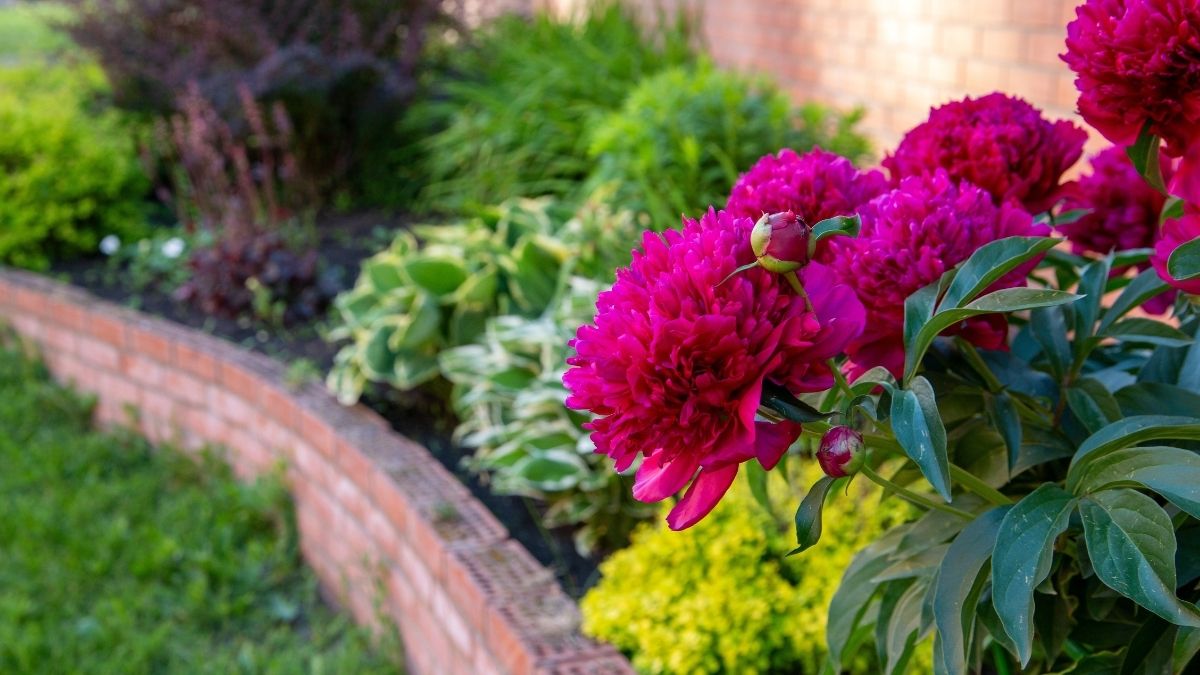
At Welch Lawn Care, we know that a beautifully maintained lawn isn’t just about the grass. Well-kept flower beds and clean edges make your yard look professional, protect your plants, and even make lawn care easier throughout the season. In this blog, we’ll cover everything you need to know about creating and maintaining tidy flower beds, proper edging techniques, and why these simple steps can make a big difference for your lawn.
Why Flower Beds & Edging Matter
You might wonder, why spend time on edges and flower beds when your grass already looks nice? Here’s the truth: proper flower bed maintenance and lawn edging serve multiple purposes:
- Enhances Visual Appeal
Clear, defined edges create a polished look and make flower beds stand out. Whether you’re hosting a summer BBQ or just enjoying your yard, neat edges give your landscape a professional, well-cared-for appearance. - Promotes Healthy Plants
Edges prevent grass and weeds from creeping into flower beds. This reduces competition for nutrients and water, allowing flowers and shrubs to thrive. Mulching beds after trimming edges helps retain moisture and protects plant roots during hot summer months. - Reduces Lawn Maintenance
A tidy edge creates a natural boundary between grass and garden beds, making mowing and trimming faster and easier. You’ll spend less time cutting overgrown grass and more time enjoying your yard. - Protects Your Yard From Pests
Well-maintained beds reduce hiding spots for insects and small pests that can damage both flowers and turf. Healthy, well-ventilated flower beds reduce the risk of fungal disease in both the plants and nearby grass.
Flower Bed Maintenance: Getting Started
Before you start trimming edges, it’s important to prepare your flower beds properly. Here’s a step-by-step approach:
1. Remove Weeds and Debris
Start by clearing any weeds, sticks, fallen leaves, or dead plants from your flower beds. Hand-pulling weeds is effective for small areas, but a hoe or specialized garden tool can help for larger beds. Clearing debris allows sunlight and airflow to reach plants while reducing the risk of pests and diseases.
2. Prune and Deadhead Plants
Deadheading spent blooms encourages flowers to produce more blossoms throughout the season. Pruning shrubs or overgrown perennials not only keeps your garden tidy but also promotes stronger growth and healthier plants.
3. Mulch Properly
Apply a layer of organic mulch around your flowers and shrubs. Mulch helps retain soil moisture, suppress weeds, and regulate soil temperature. Organic mulches like shredded bark or composted leaves also slowly release nutrients, improving soil health over time.
Edging Your Lawn: Techniques & Tips
Edging is the process of creating a clean boundary between your lawn and flower beds. There are several ways to edge your lawn, depending on your tools, time, and the look you want:
1. Manual Edging
Manual edging involves using a spade or half-moon edger to cut a crisp boundary between grass and flower beds. This method gives precise control, perfect for intricate or curved bed shapes.
- Tip: Keep the edge 2–3 inches deep to prevent grass from creeping into the flower bed.
- Tip: Remove clumps of soil to create a clean, smooth line.
2. Mechanical or Power Edging
For larger yards or tougher soil, a mechanical or power edger can save time and effort. These tools cut clean lines and allow for uniform edges along sidewalks, driveways, and long garden beds.
- Tip: Wear safety goggles and gloves when using power equipment.
- Tip: Move slowly and steadily to maintain an even edge.
3. Natural or Curved Edges
Some homeowners prefer a softer, natural edge that blends the lawn into the flower bed. This method involves shaping the soil around beds using a shovel and adding mulch to define boundaries. While it’s less rigid than a straight edge, it still prevents grass from spreading into garden areas.
Maintaining Edges Throughout the Season
Creating a tidy edge is just the first step. To keep your yard looking sharp all summer, consistent maintenance is key:
- Trim Weekly or Biweekly
Grass grows quickly in June, so trim edges regularly to maintain clean lines. Use a string trimmer or hand shears for small sections. - Reapply Mulch as Needed
Mulch can break down or shift over time. Check beds every few weeks and replenish mulch to maintain coverage and prevent weeds from re-emerging. - Check for Grass Intrusion
Even the best edges can let grass creep into beds. Spot-trim with a spade or edging tool to maintain a crisp boundary. - Monitor for Pests and Diseases
While tending to edges and beds, look for signs of pests or disease. Early detection allows for targeted treatment, keeping both your flower beds and lawn healthy.
Seasonal Tips for Flower Beds in June
June is peak growing season, which means both flowers and weeds are thriving. Here are some specific tips for keeping your garden in top shape:
- Fertilize Your Flowers: Use a slow-release fertilizer to support blooms throughout the summer.
- Water Consistently: Morning watering helps plants absorb moisture before the heat of the day. Avoid overhead watering late in the day to reduce fungal risks.
- Pinch and Deadhead: Continue to remove spent flowers to encourage more blooms.
- Control Weeds Early: Weed before they flower and spread seeds. A combination of hand weeding and pre-emergent herbicides can help.
Benefits of Professional Flower Bed & Edge Maintenance
While many homeowners enjoy doing their own flower bed maintenance, hiring a professional can save time, improve results, and reduce frustration:
- Expertise: Professionals know the best timing for pruning, mulching, and edging specific to New England climates.
- Tools & Equipment: Commercial-grade tools make precise edging and trimming faster and more effective.
- Consistency: Regular maintenance keeps flower beds and edges looking neat all season.
- Healthy Lawns: Proper flower bed care contributes to thicker, greener grass by reducing weed pressure and promoting healthy soil.
Final Thoughts: A Tidy Yard is a Happy Yard
Maintaining flower beds and edging is more than just a chore—it’s an investment in your lawn’s health and appearance. Clear boundaries, healthy mulch, well-pruned plants, and consistent upkeep create a yard that looks professionally maintained, supports thriving plants, and makes lawn care easier throughout the summer.
At Welch Lawn Care, we love helping Southern NH homeowners keep their yards in top shape. Whether it’s creating crisp edges, maintaining flower beds, or providing expert advice on seasonal lawn care, we’re here to make your outdoor space beautiful and healthy.
Remember, a tidy yard isn’t just about looks—it’s about creating a lawn that’s strong, resilient, and ready for all the joys of summer. So grab your gloves, call in the experts if needed, and enjoy a vibrant, well-kept yard all season long!