
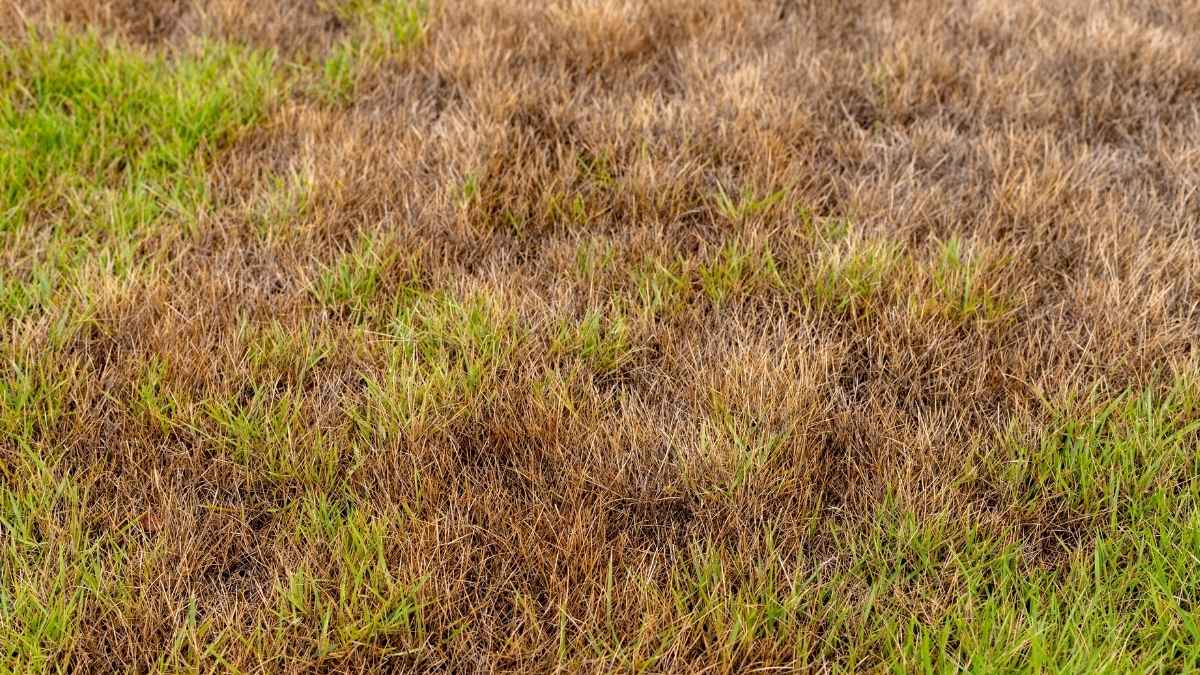
Hi friends, I’m Alice! A chocolate lab who loves long summer naps in the shade, chasing squirrels, and patrolling the yard to make sure everything looks perfect. July is one of my favorite months because the sun is shining, flowers are in full bloom, and the grass is thick and green…most of the time. But sometimes, all that summer heat can put our lawns under stress, leaving them brown, patchy, or wilted.
At Welch Lawn Care, we know that heat stress is a common problem for lawns in Southern New Hampshire. Hot, dry days combined with frequent foot traffic, mowing, and inconsistent watering can leave even well-maintained lawns struggling. In this blog, we’ll talk about how to recognize heat stress, the best ways to prevent it, and how to help your lawn recover during the hottest months of the year.
What is Heat Stress?
Heat stress happens when your grass cannot keep up with the demands of hot temperatures, dry soil, and sunlight. Grass blades may curl, wilt, or turn yellow or brown. Lawns that were once lush can look thin and tired. Heat stress can also make grass more susceptible to disease, pests, and weed invasion.
The good news is that with the right care, lawns can recover and thrive—even in the heat of July.
Signs of Heat Stress in Your Lawn
Early detection is key to saving your lawn. Here are some common signs to look for:
- Color Changes: Grass may turn yellow or brown in patches.
- Footprints Stay Visible: When you walk on stressed grass, footprints may remain for hours instead of bouncing back.
- Curling or Folding Blades: Grass blades may fold inward or curl to reduce water loss.
- Thinning or Patchy Areas: Grass that struggles to grow in heat may appear sparse or uneven.
- Slow Growth: Even with regular watering and fertilization, heat-stressed lawns may grow slowly.
Recognizing these signs early can prevent permanent damage and help you take steps to protect your lawn.
Causes of Heat Stress
Several factors contribute to heat stress in lawns:
- High Temperatures: Southern NH summers can have several weeks of sustained heat above 80°F, which challenges grass growth.
- Drought Conditions: Lack of rainfall combined with hot sun increases water demand and can quickly stress grass.
- Improper Mowing: Cutting grass too short weakens roots and exposes blades to more sun.
- Poor Soil Health: Compacted or nutrient-poor soil struggles to retain moisture and feed roots effectively.
- Overuse or Foot Traffic: Play, pets, and garden maintenance can damage already stressed lawns.
Understanding the causes helps you adjust your care routines for summer survival.
Solutions: How to Protect Your Lawn from Heat Stress
1. Adjust Mowing Practices
One of the easiest ways to reduce heat stress is to mow high. Taller grass provides shade for soil, retains moisture, and helps roots grow deeper. Avoid mowing during the hottest part of the day—early morning or late evening is best. Also, keep mower blades sharp to prevent tearing grass, which can increase stress.
2. Water Deeply and Consistently
Shallow, frequent watering encourages roots to stay near the surface, which makes lawns more vulnerable to heat. Instead:
- Water deeply 1–2 times per week, giving grass enough moisture to reach 6–8 inches deep.
- Water in the early morning to reduce evaporation and fungal disease risk.
- Avoid watering in the heat of the day.
Deep watering strengthens roots, making lawns more resilient to summer stress.
3. Fertilize Wisely
Applying fertilizer during extreme heat can push grass to grow faster than it can handle, increasing stress. Use a slow-release fertilizer in mid to late June and again in early August to maintain steady growth without over-stimulating the lawn.
4. Aerate and Overseed
Compacted soil prevents water, air, and nutrients from reaching grass roots. Aeration creates small holes to improve soil health, while overseeding fills thin or damaged areas, making your lawn thicker and more resilient.
5. Provide Shade and Reduce Traffic
Whenever possible, limit heavy foot traffic during peak heat. Shade trees and temporary shade structures can also protect vulnerable areas. Consider rotating play areas for pets or children to reduce stress on one section of the lawn.
6. Monitor for Disease and Pests
Heat-stressed grass is more susceptible to fungi, brown patch disease, and insects. Keep an eye out for unusual spots, wilting, or rapid color changes. Prompt treatment prevents minor problems from becoming major lawn disasters.
Seasonal Maintenance Checklist for July
Here’s a simple checklist to keep your lawn healthy during the heat of July:
- ✅ Mow at a higher height (3–3.5 inches)
- ✅ Water deeply and early in the morning
- ✅ Fertilize with slow-release products only if necessary
- ✅ Aerate and overseed thin patches
- ✅ Limit foot traffic on hot, dry days
- ✅ Inspect for pests and disease weekly
- ✅ Mulch around trees and garden beds to retain soil moisture
Following these steps consistently ensures that your lawn remains healthy, vibrant, and ready for the rest of the summer.
The Role of Professional Lawn Care
Sometimes, heat stress is too much to manage alone. At Welch Lawn Care, our team monitors lawns for stress indicators, adjusts watering schedules, applies safe fertilizers, and performs aeration and pest control when needed. We tailor care to your specific lawn and New England climate, giving your yard the best chance to thrive during the hottest months.
Final Thoughts: Keep Your Lawn Happy This Summer
Summer is a wonderful time to enjoy your yard, but heat stress can quickly turn a beautiful lawn into a patchy, brown mess. By recognizing the signs early, adjusting mowing and watering practices, maintaining soil health, and seeking professional help when needed, you can keep your lawn strong and vibrant all summer long.
Remember, a healthy lawn isn’t just about appearances—it’s about creating a yard that’s resilient, fun, and enjoyable for your family, pets, and everyone who visits. So grab your watering can, call in the experts at Welch Lawn Care if needed, and enjoy a green, thriving lawn all July and beyond!