
When Does Grass Stop Growing in New Hampshire?
Hi there! Alice here, your favorite lawn-loving chocolate lab from Welch Lawn Care. As the leaves fall and the temperatures drop, you might be wondering when you can finally put the lawn mower away for the season. Here in New Hampshire, the answer depends on the weather, your grass, and how quickly temperatures cool down.
Let’s talk about what happens to your lawn in late fall and how to give it the best chance of coming back healthy next spring!
When Does Grass Stop Growing in the Fall?
Most New Hampshire lawns contain cool-season grasses, such as Kentucky bluegrass, perennial ryegrass, and fescues. These grasses grow best during the cooler temperatures of spring and fall.
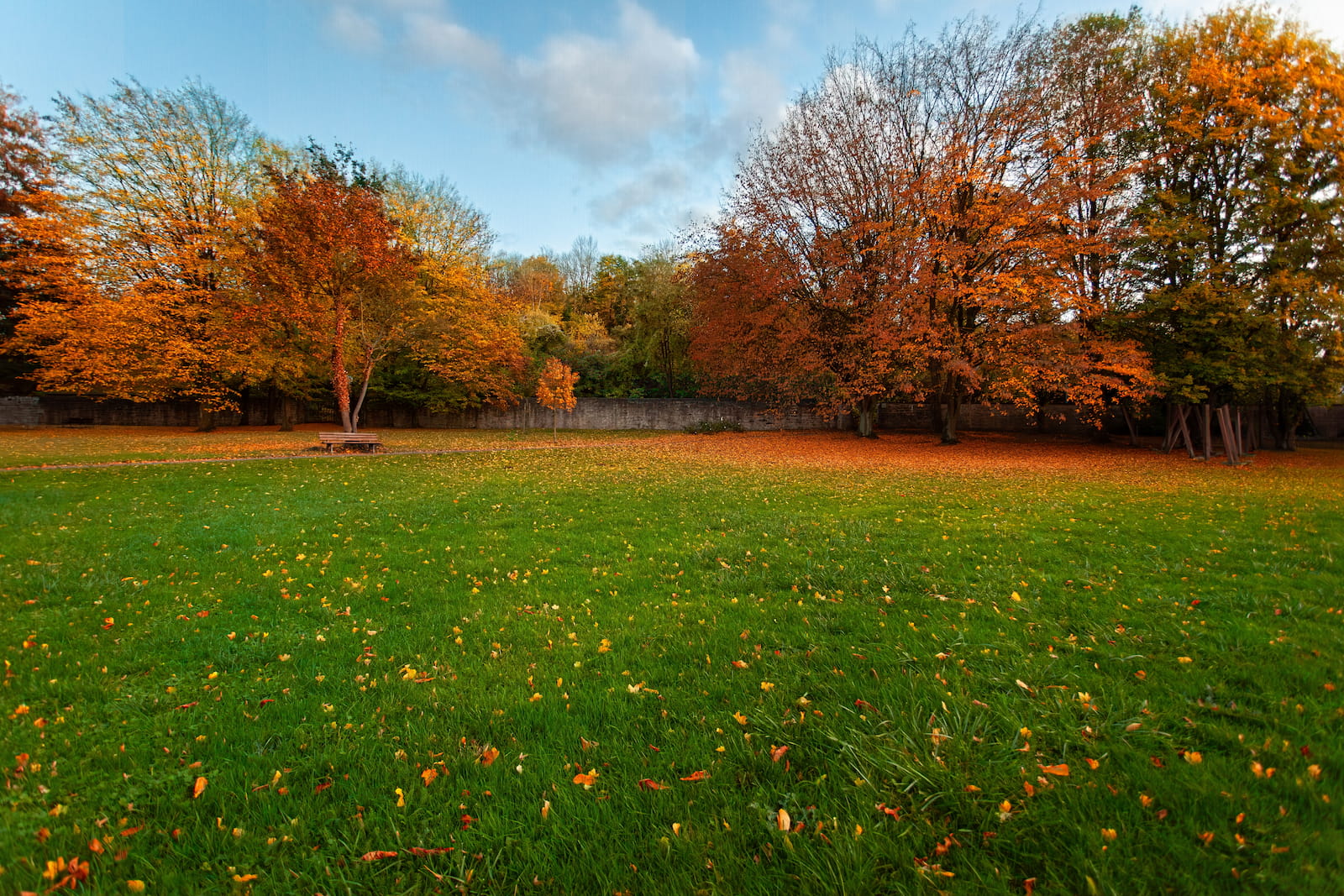
As temperatures drop in late October and November, grass growth begins to slow. Once soil temperatures fall and daylight hours become shorter, your lawn may stop growing altogether until warmer weather returns.
The timing varies from year to year. A mild November might mean a few extra mowing sessions, while an early cold snap could bring the season to an end sooner.
How Do You Know When It’s Time for the Last Mow?
You don’t need to follow a strict calendar to decide when to mow for the last time. Instead, pay attention to your lawn.
Here are a few things to keep in mind:
Watch for Slower Growth
If your grass isn’t getting noticeably taller between mowing sessions, you may be nearing the end of the season. Continue mowing as needed while the grass is actively growing.
Keep Your Grass at the Right Height
For many New Hampshire lawns, a final mowing height around 2 to 2.5 inches works well, depending on the grass type. Avoid cutting the lawn too short, as this can stress the grass and leave it more vulnerable to winter damage.
Avoid Mowing Frozen or Wet Grass
Late-fall mornings can bring frost, and November often means damp conditions. Wait until the grass has thawed and dried before mowing to reduce the risk of damage.
Why Does the Final Mowing Matter?
Leaving your grass excessively tall heading into winter can increase the risk of snow mold and other problems, especially when long grass becomes matted under snow.
On the other hand, cutting it too short can leave grass with less leaf area to support healthy growth.
The goal is to leave your lawn at a suitable height for winter, not to give it an extra-short haircut before the snow arrives.
What Else Should You Do for Your Lawn in Late Fall?
Even after mowing slows down, your lawn still benefits from a little attention.
- Remove Excessive Leaf Cover: A thick layer of leaves can block sunlight and trap moisture against your grass.
- Avoid Heavy Traffic: Repeated walking or driving over dormant or frozen grass can cause damage.
- Keep Equipment Ready: Clean your mower and prepare it for storage once the season is finished.
- Plan Ahead: If your lawn has thin patches, drainage issues, or areas that need attention, late fall is a good time to plan improvements for the next growing season.
Let Welch Lawn Care Help With Your Lawn
Every New Hampshire lawn is a little different, and knowing when to wrap up mowing is just one part of keeping your property in good shape.
At Welch Lawn Care, we help homeowners maintain their lawns and landscapes throughout the changing seasons. If your lawn needs attention before winter or you’re planning improvements for spring, we’re here to help.
Contact Welch Lawn Care today to learn more about our lawn care services in Raymond, NH, and the surrounding communities!